
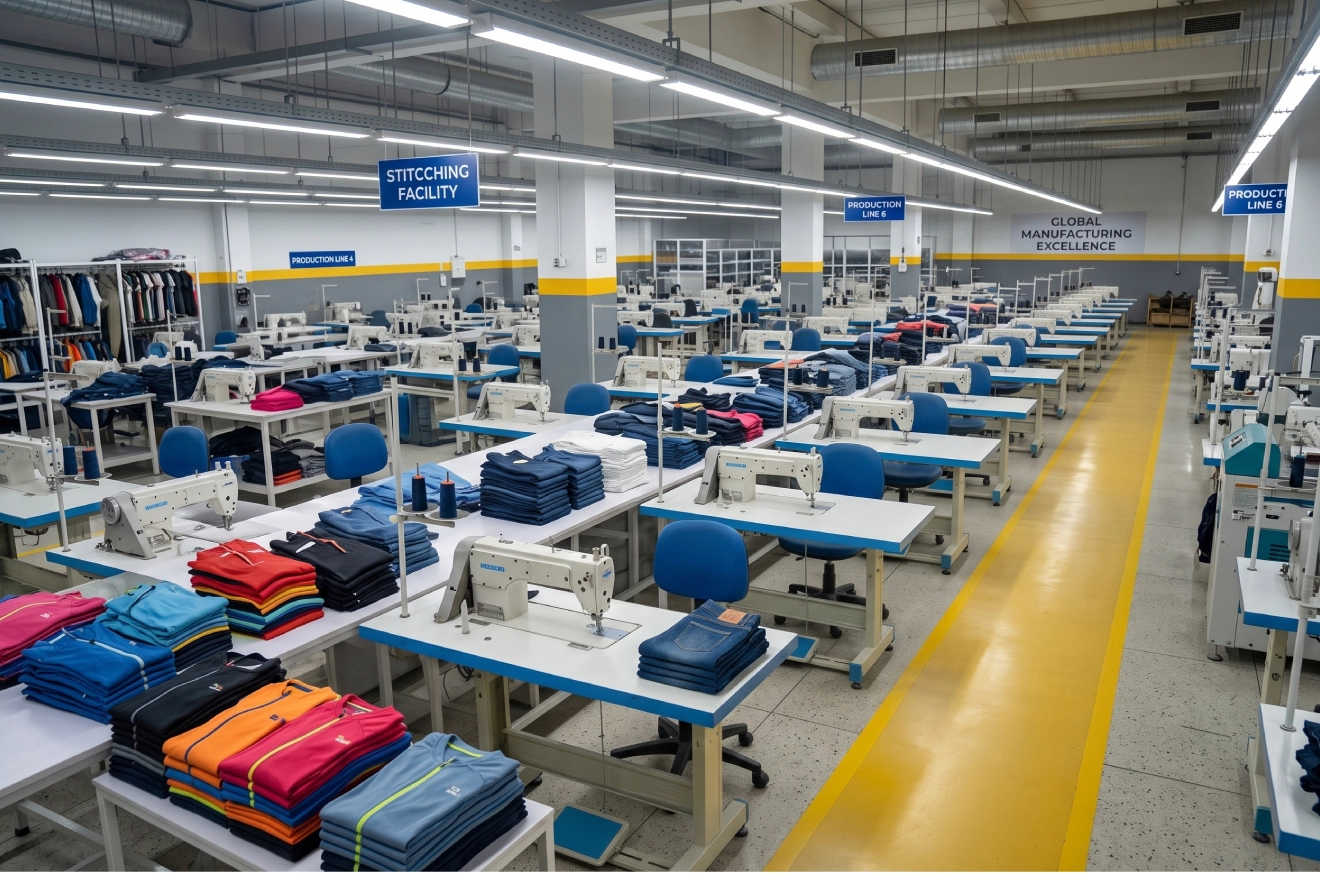
Scaling a fashion brand is an exciting milestone, but it also introduces one of the most critical decisions you will ever make: choosing the right manufacturing partner. Your manufacturer is not merely a vendor fulfilling transactional orders; they are the core backbone of your entire supply chain. Their reliability, craftsmanship, and operational efficiency directly dictate your product quality, profit margins, on-time delivery rates, and long-term brand reputation.
Finding a partner who can align seamlessly with your growth trajectory requires looking far past surface-level quotes. To help you navigate this complex process, let us break down a comprehensive, step-by-step framework for evaluating and choosing clothing manufacturers that can help your fashion business thrive.
1. Define Your Production Requirements and Tech Packs First
Before you ever reach out to a factory, you must have absolute clarity on your product lines and technical specifications. Manufacturers specialize in vastly different niches—some excel in technical sportswear and activewear, while others focus on luxury tailoring, outerwear, denim, or delicate knitwear.
Establish Clear Tech Packs: Provide detailed tech packs that include flat sketches, graded measurement specs, stitching details, and exact trim requirements.
Determine Your Minimum Order Quantities (MOQs): Know what order volumes you can realistically handle and fund, and look for partners whose MOQs match your current business stage.
Map Your Timeline: Factor in realistic lead times for initial sample development, revisions, bulk production, and international shipping.
2. Verify Craftsmanship and Request Physical Samples.
Product quality consistency is what transforms first-time buyers into loyal, repeat brand advocates. Digital images and video calls can be deceiving, so you must always evaluate physical workmanship.
Inspect the Details: When you receive sample garments, examine the stitch density, seam cleanliness, buttonhole reinforcement, and internal lining finishes.
Test the Fabrics: Ensure the factory has reliable access to the exact fabric mills, weights, and compositions your collection demands, whether that involves high-grade cottons, performance blends, or sustainable textiles.
Assess Quality Control (QC): Inquire about their internal multi-stage QC processes to understand how they catch and correct defects before items leave the production floor.
3. Evaluate Communication, Location, and Transparency.
A successful manufacturing partnership relies heavily on smooth, transparent.communication. Language barriers, cultural differences, and significant time zone gaps can easily complicate supply chains if not managed correctly.
Responsiveness: Notice how quickly and clearly a potential partner replies to your initial inquiries. If they are difficult to reach during the pitching phase, communication will likely worsen during active production.
Proactive Problem Solving: Look for a partner who communicates potential delays or material shortages honestly and offers solutions immediately rather than hiding issues until the deadline passes.
Geographic Logistics: Consider the shipping routes, customs processes, and freight costs associated with the factory’s location relative to your primary retail markets.
4. Prioritize Ethical Standards and Compliance.
Modern retail partners, wholesale buyers, and end consumers care deeply about transparency, sustainability, and ethical manufacturing practices. Protecting your brand’s reputation means ensuring your supply chain operates responsibly.
Labor Standards: Verify that the factory maintains safe working conditions, fair wages, reasonable working hours, and complies with local labor laws.
Environmental Responsibility: Many modern consumers look for eco-friendly certifications, waste-reduction practices, and responsible chemical or dye management.
Factory Visits: Whenever possible, conduct an on-site visit or hire a trusted third-party auditing service to inspect the facility firsthand before signing long-term contracts.
5. Look for True Scalability and Long-Term Partnership Potential.
Your business will evolve, and your manufacturing partner must be capable of evolving right along with you. A factory that easily accommodates your small test batches today must also possess the financial stability, workforce capacity, and machinery to scale up when your order volumes double or triple.
Capacity Planning: Discuss their peak season workload and how they handle sudden surges in demand.
Financial Stability: Ensure your manufacturer has secure supply chains for raw materials so they do not face sudden halts due to supplier default.
Collaborative Innovation: The best manufacturing partners offer constructive feedback on how to optimize your designs for production efficiency, helping you reduce costs without sacrificing quality.
Final Thoughts
Choosing the right clothing manufacturer takes patience, rigorous research, and thorough testing. By prioritizing craftsmanship, open communication, ethical compliance, and shared growth values, you can build a resilient, high-performing supply chain that protects your margins and sets your fashion brand up for sustained, long-term success.
Add comment